There is a particular kind of small-business admin that survives every productivity app. You know the work exists. You know roughly where it lives. You just have to remember to go looking for it.
The unanswered enquiry. The meeting you should prepare for. The customer who was promised an update. None of it looks dramatic enough to stop the day, until it does.
Claude Duet is Anthropic's attempt to take on that remembering. Announced on October 21, 2026, it is a proactive assistant that can bring work to your attention and continue tasks on a cloud computer while your devices are off. Anthropic's launch announcement
That is an attractive proposition for anyone whose current operating system is “I'll remember that.” We would want to see how it handles an ordinary untidy week before making it responsible for one.
What is Claude Duet?
Duet offers morning briefs, work through connected apps, and a continuing conversation by text or voice. It carries across your Claude memory and skills. You can use its separate iOS or Android app, or the web. Official product page
The interesting change is who starts the conversation. In the work pattern Duet proposes, the assistant can notice something and bring it to you. You no longer need to turn every loose end into a fresh request first.
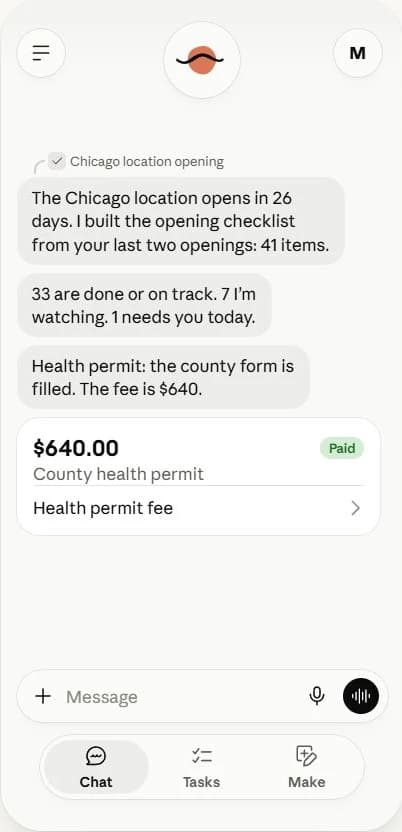
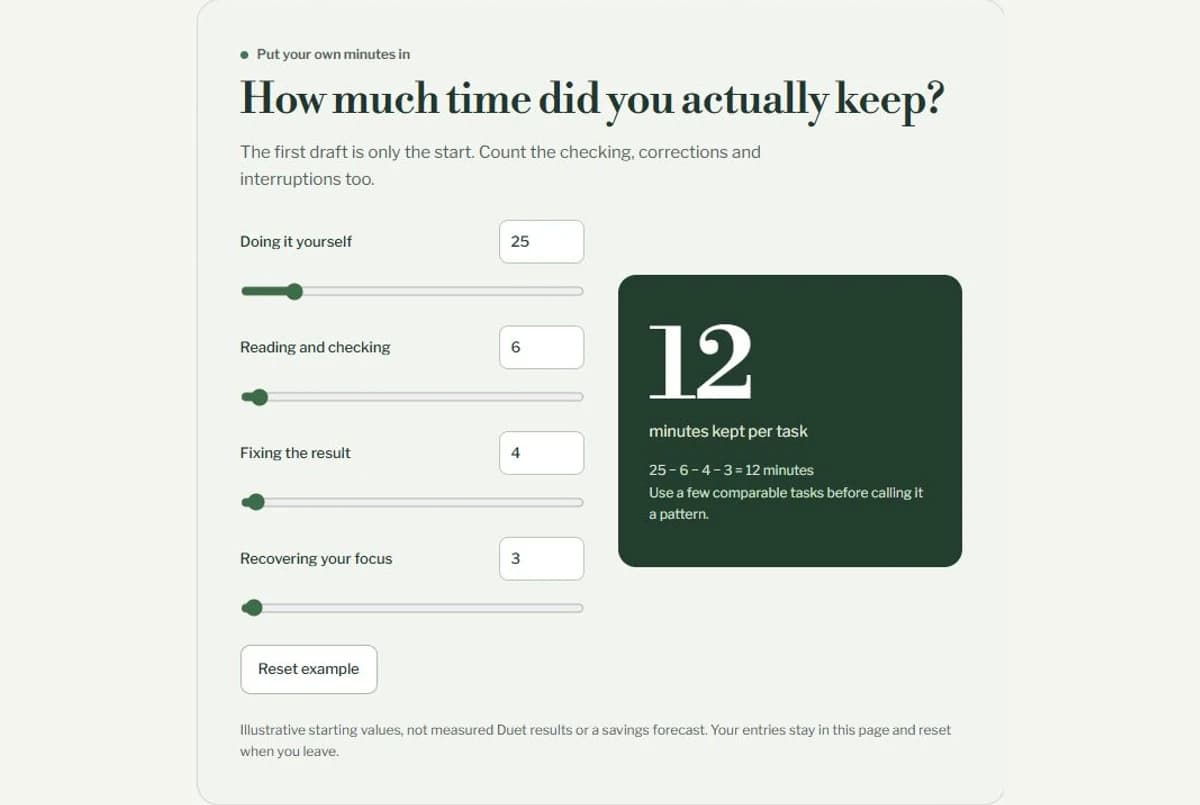
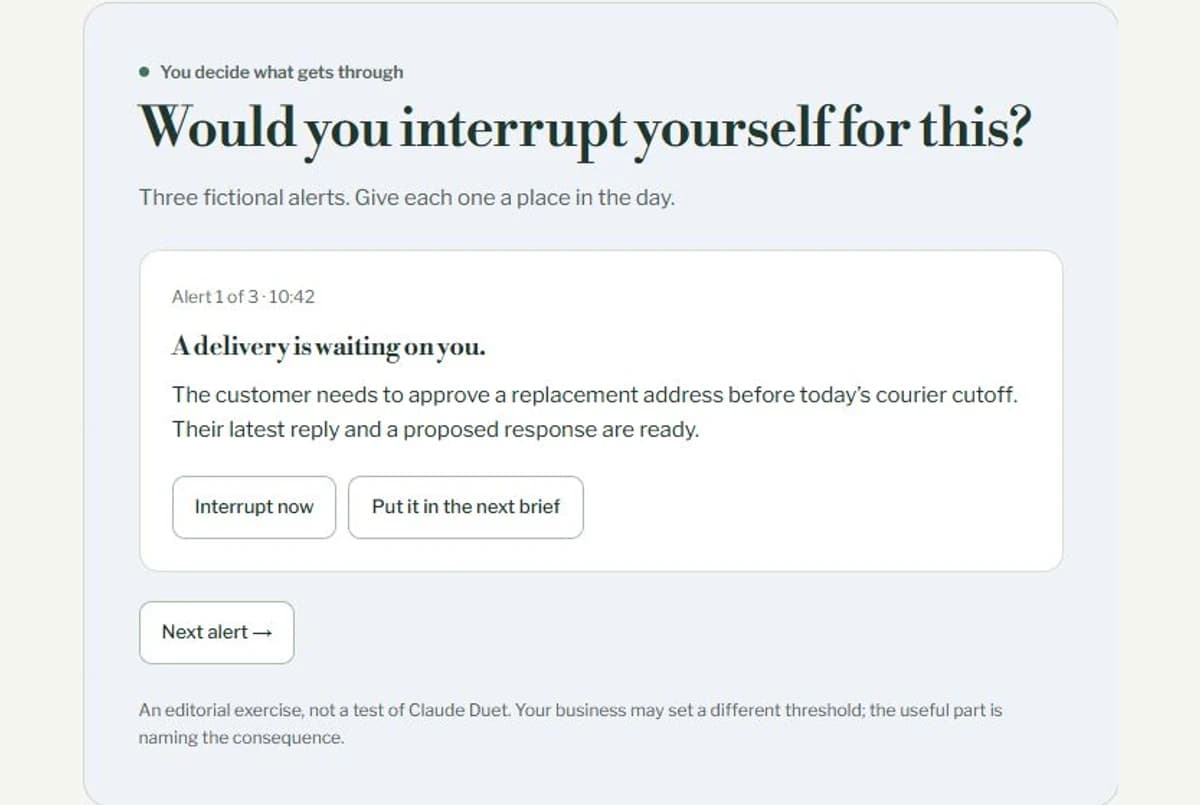
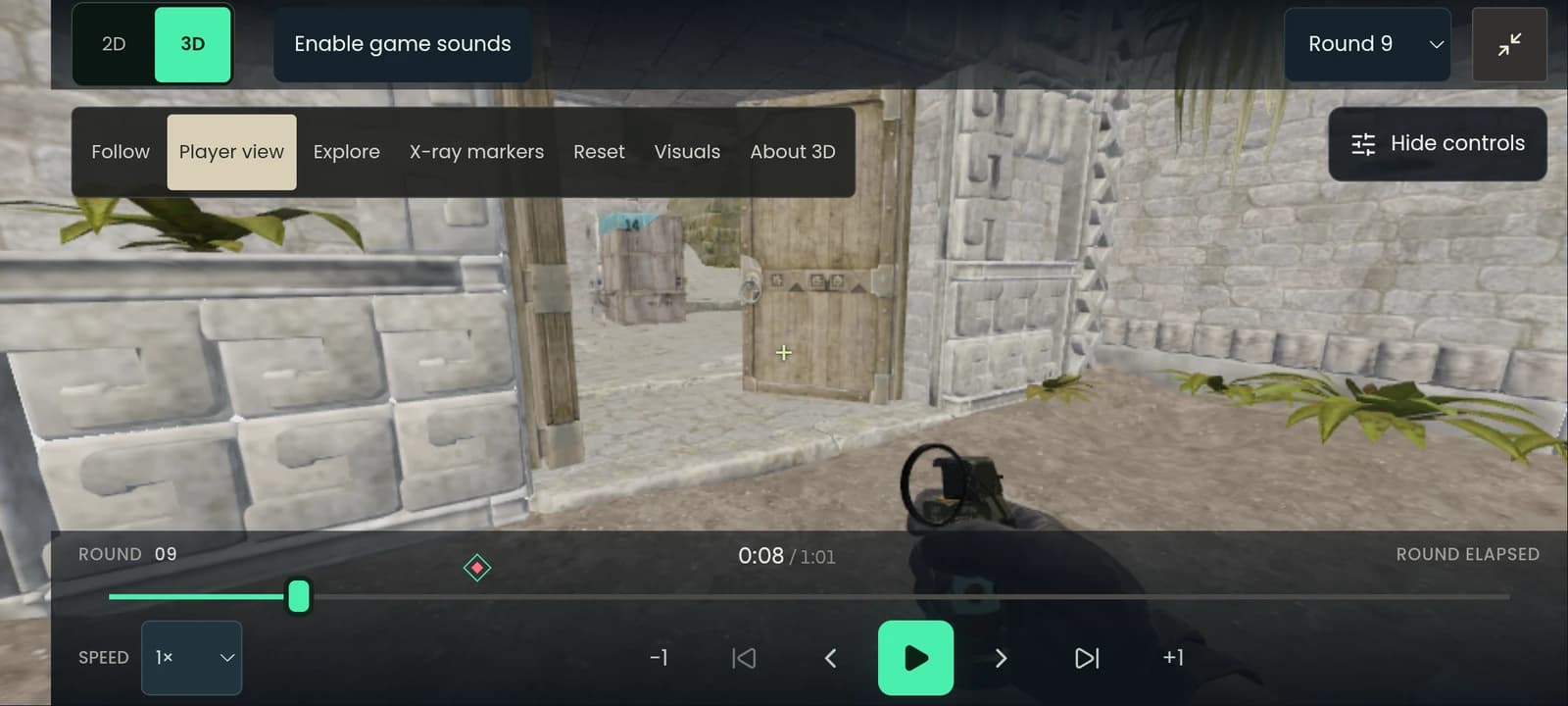
This is Anthropic’s demonstration, rather than a capture from our own Duet account. Our tappable example above isolates the review decision we would want to inspect in real use.
Consider meeting preparation. Asking AI to summarise a document is useful. Being presented with the relevant document, the unresolved question and the decision you need to make would remove more of the preparation. That second outcome is the standard we would use to assess the product.
Who can use it, and what does it cost?
As checked on October 22, access is waitlisted for US Pro and Max subscribers. The preview is included in those plans; Team and Enterprise are not included yet. Access FAQ
If you are outside the initial rollout, joining a conversation about the launch is different from being able to put the tool to work. Check the current access page before changing a subscription for this feature.
There is also a capacity question. Background activity shares your Claude usage allowance. Anthropic says connected-account checks happen every few hours. Launch details
For a business owner, that means evaluating the whole working day. An assistant might complete a useful background task and still leave you wanting more capacity for the project you opened Claude to finish. Your own mix of work will decide whether that trade works.
What would make it useful for a small business?
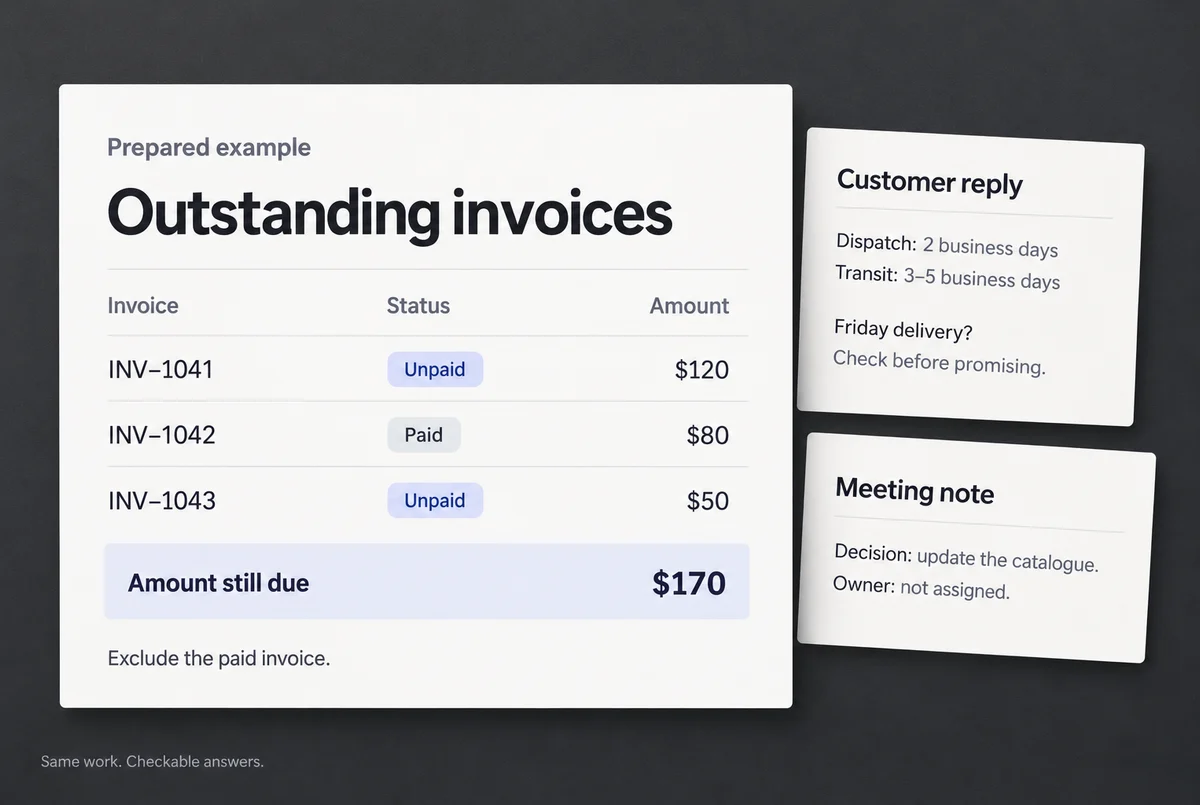
Our first test would involve work with a clear finish and an easy way to inspect the result. Here are three proposed tasks and the evidence we would want back.
| Task | A result worth reviewing |
|---|---|
| Prepare for a customer call | The relevant source material, open questions and decisions needed. |
| Prepare a follow-up | An accurate draft that reflects what was actually agreed. |
| Review outstanding admin | A short list of specific loose ends, with a reason each matters. |
This is our evaluation shortlist, not a report of a Duet trial. The point is to make the result judgeable. “Help run my business” sounds ambitious; it is a terrible acceptance criterion.
For a follow-up, we would check the recipient, the commitment, the proposed date and the latest conversation. A beautifully written email that quietly invents a delivery promise gives you a new problem with excellent punctuation.
Where does approval fit?
Anthropic says Duet seeks approval before sending messages, paying, signing or deleting. It also acknowledges that the preview can misread context and urgency. Approval and preview limitations
Approval is valuable when the proposed action is quick to understand. If you have to reconstruct the entire task to decide whether to press a button, much of the checking work is still yours.
We would look for the practical details: what will happen, who it affects, what evidence supports it and what you are being asked to decide. Those are useful buying criteria for any assistant entrusted with business work.
Our take
Duet is worth watching because remembering to start the work is a real part of the workload. Getting help after you have already assembled the brief solves only part of that problem.
The next question is whether the finished work earns its review time. That needs evidence from use, and we have not run that test here.
We have put together a small-business evaluation plan for readers who get access. If you are still choosing your everyday AI tool, start with our ChatGPT, Claude and Gemini comparison.